$132.00
$263.99
50% OFF! Hot items selling fast—Grab them before they're gone!
 Unconditional Satisfaction GuaranteeNo Shipping Fees Above 302 Months to Decide. Returns Simplified.
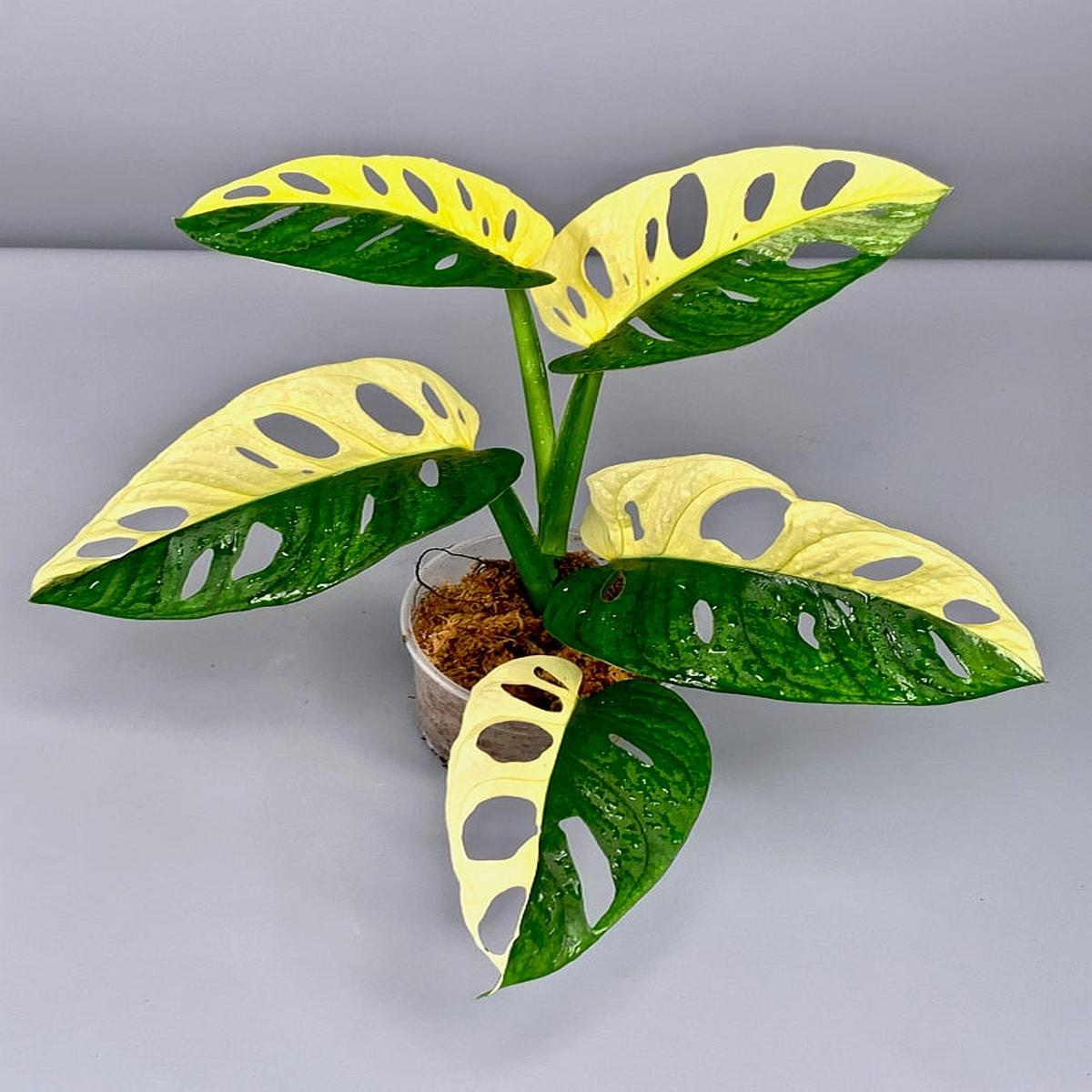
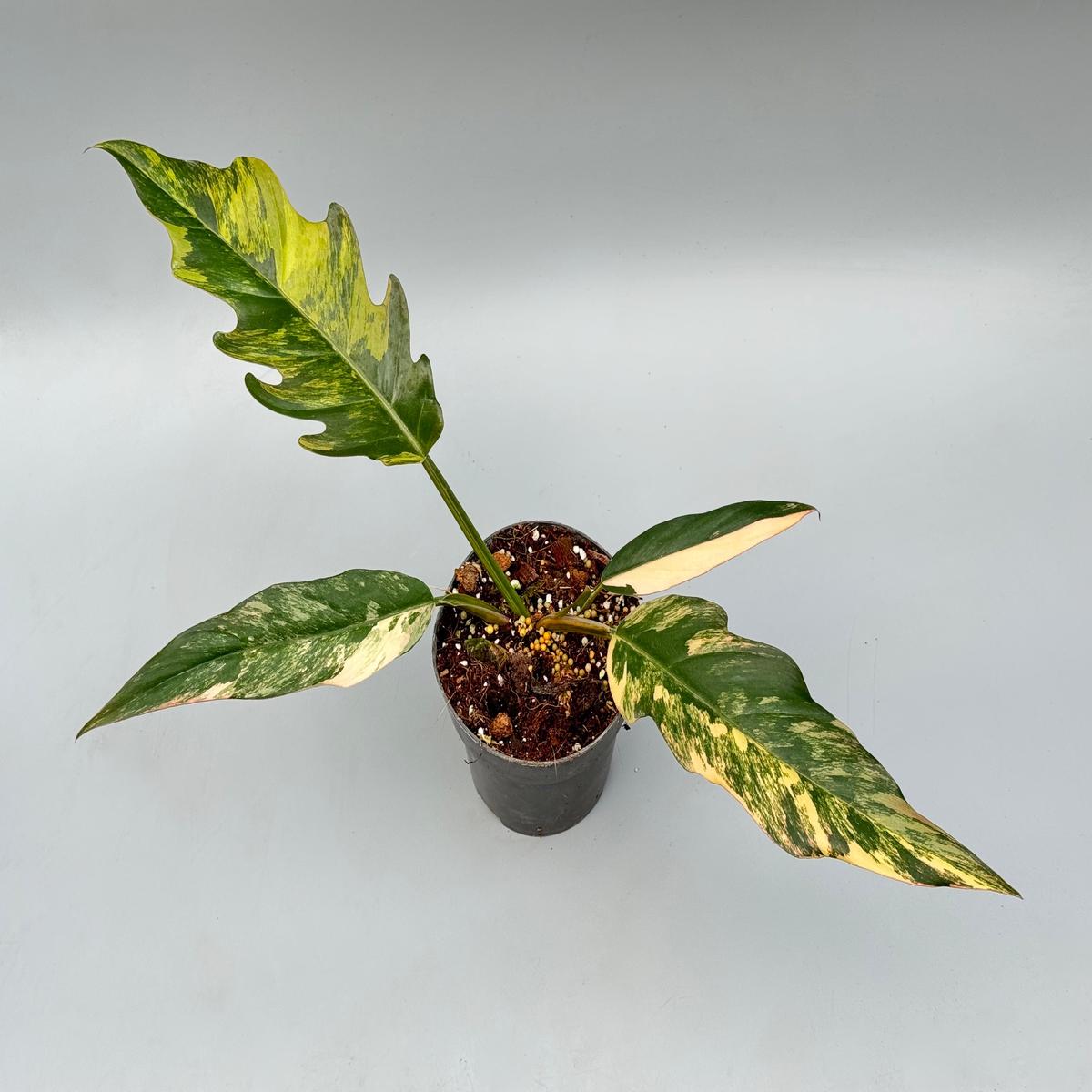
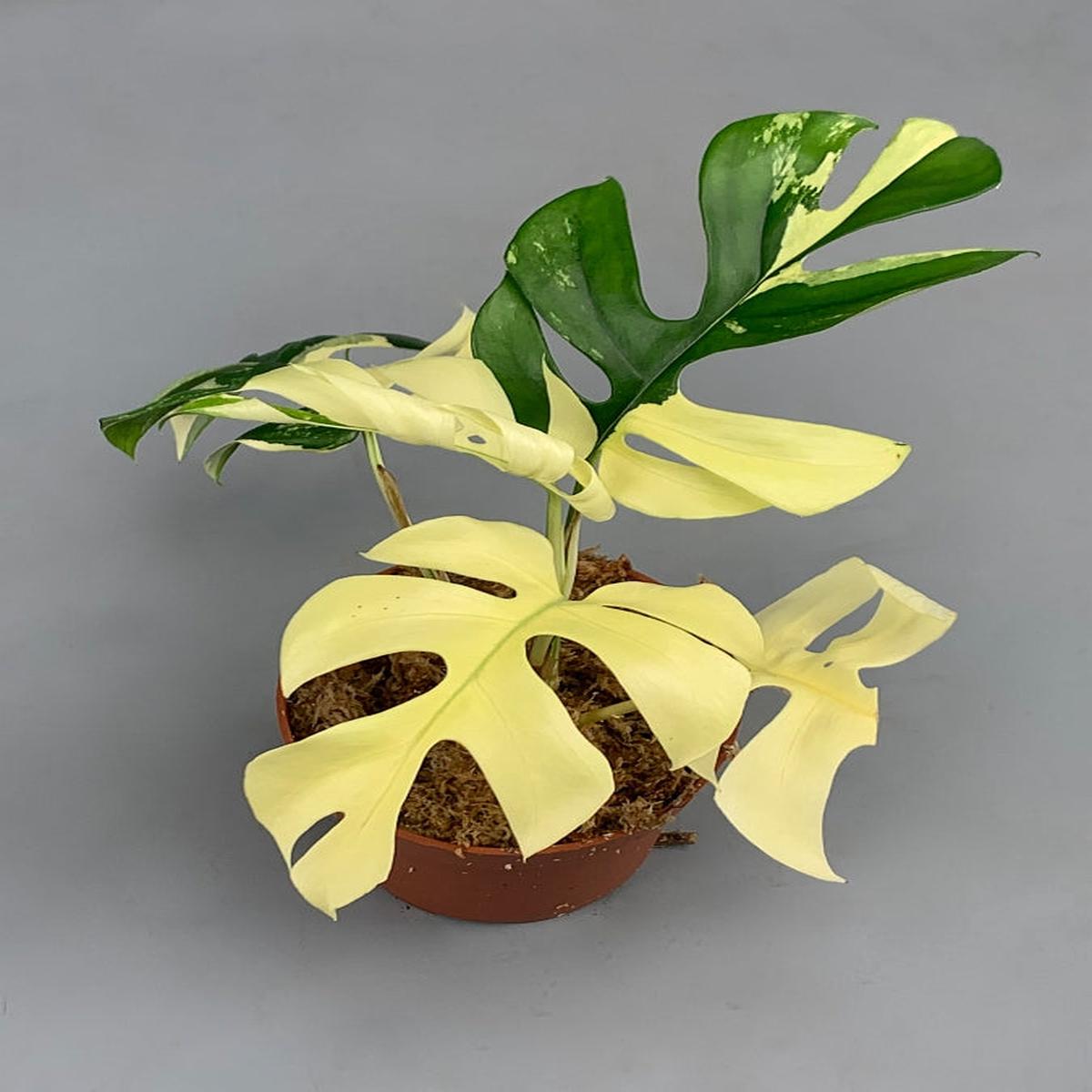
The Monstera minima variegated ‘Albo’, also known as Rhaphidophora tetrasperma variegata, is a real eye-catcher with its compact growth and strikingly variegated leaves. This unusual climbing plant combines the beloved Monstera-like leaves with white or cream variegation, making each plant unique. Ideal for collectors who want to enhance their collection with a rare and refined specimen.
The Rhaphidophora tetrasperma is native to Southeast Asia, particularly Thailand and Malaysia. The variegated Albo’-form, however, is a rare cultivation that does not occur in nature and is obtained only through selection and propagation.
This plant has elegantly incised leaves that are similar in shape to those of the Monstera deliciosa, but smaller and more compact. What makes this version exceptional is the unpredictable but brilliant marbling in white to creamy white on the normally dark green leaves. No two leaves are the same: some show fine spots, others are half white (“Half Moon”). Because of its climbing growth habit, it does well with a moss stick for support.
Place this plant in a bright spot with plenty of indirect sunlight. Direct sunlight can burn the light parts of the leaves, while too little light can reduce variegation.
Feels best at room temperatures between 18 and 25 C. Avoid cold drafts and temperatures below 15 C.
Use an airy and well-draining mixture, e.g. based on coconut chips, tree bark and sphagnum. An open structure prevents root rot and promotes healthy growth.
A humidity of 60% or higher is ideal. In drier air, the plant may develop brown edges on the lighter parts of the leaves.
During the growing season (spring to fall), use a balanced fertilizer for houseplants once a month, but dose carefully: the white parts of the leaves contain less chlorophyll and may be susceptible to over-fertilization.
Allow the top layer of the substrate to dry out between waterings. Preferably give demineralized water or clean rainwater to avoid mineral buildup in the substrate and leaf damage.
This plant rarely blooms indoors and is grown primarily for its ornamental leaves. Therefore, flowering is not a goal when keeping this species for most enthusiasts.