
*Preorder only*
Expected Height at Pickup: 4-5′, 3 gal
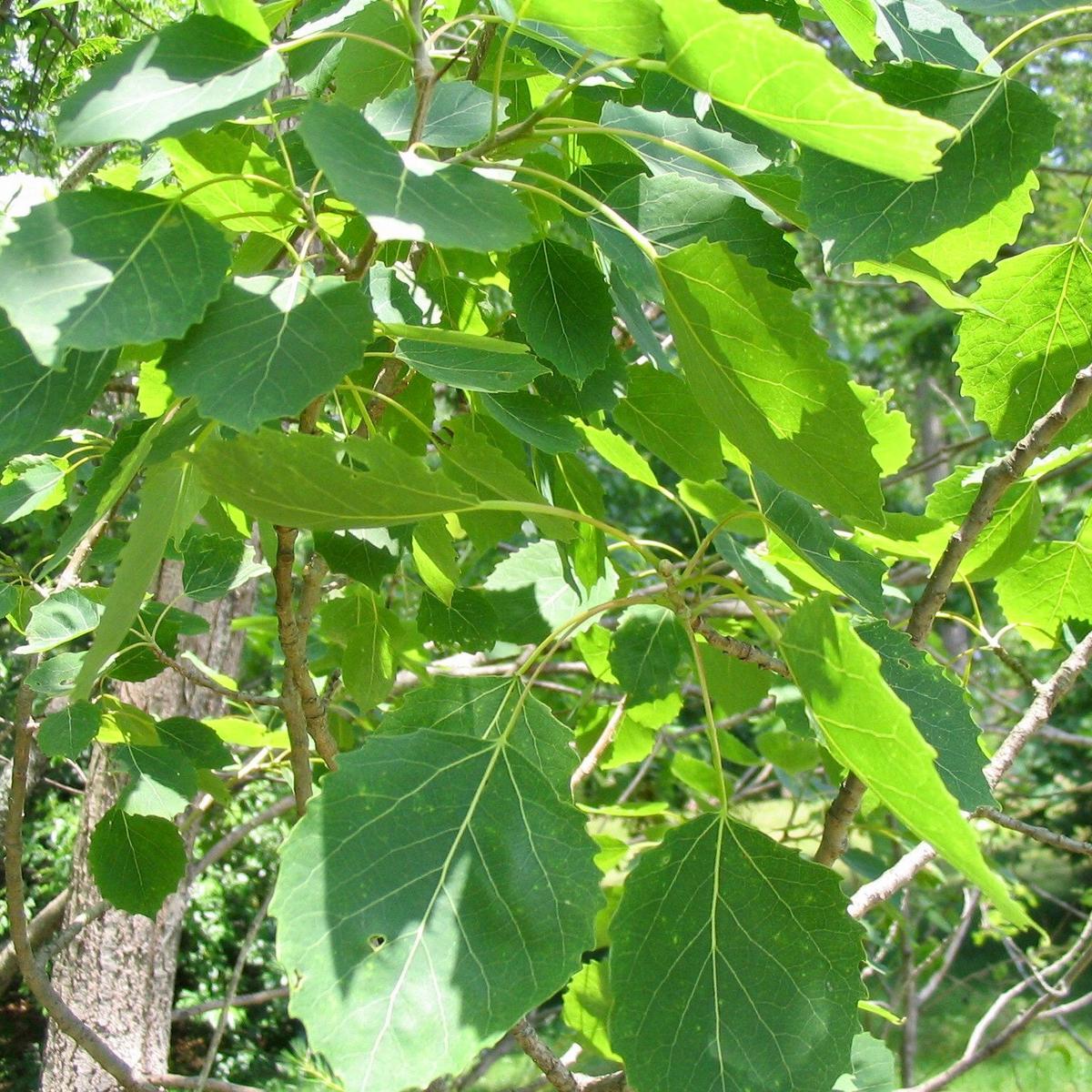
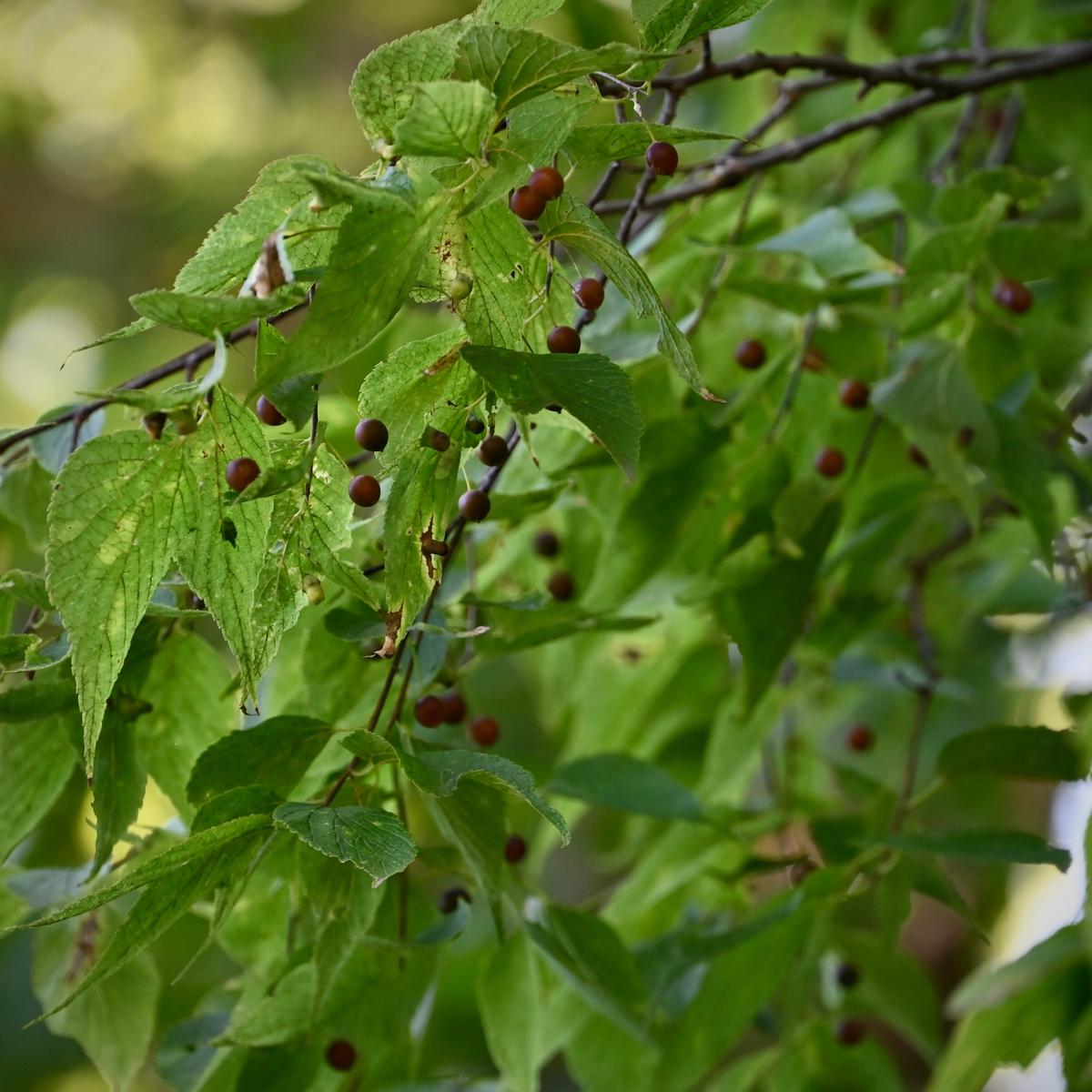
An easily grown, fast growing shade tree with broad, shiny leaves and impressive wildlife support. Hosts a wide variety of insects, including multiple large butterflies and cecropia moths, and is commonly used by woodpeckers as a nesting site! Flowers bloom in drooping clusters (male flowers are red, female flowers are green/yellow) before the trees leaf out, but are small enough and occur high enough on the trees that they arent considered showy.A relative aspens, their leaves similarly flip/flash and make a pleasing rustle in the wind.
Cottonwoods are common in lowlands and floodplains and are tolerant of seasonal flooding, but constant standing water should be avoided. As a quick growing colonizer species, their wood is comparatively weak and prone to breakage, particularly in their old age. This makes them an excellent tree to support wildlife as they produce hollows quickly, but means they are potentially dangerous to nearby buildings. Proximity to water pipes should be avoided, as their roots may cause damage.
Pollination: Male and female needed.
Light: Full Sun
Soil Moisture: Wet, Wet Mesic, Mesic
Soil Type: Adaptable
Height: 60-100
Width: 35-60
Bloom Color: –
Bloom Time: Mar-Apr
Fruit: Small seeds are attached to white cotton fluffs that are wind distributed in the spring.
Fall Color: Yellow
Root Type: Branching
Notable Wildlife Interactions: Hosts butterflies such as viceroys, red-spotted purples, mourning cloaks, tiger swallowtails, and the dreamy duskywing skipper, as well as many moths including the cecropia moth, multiple owlet moths, tussock moths, geometers moths, and prominent moths. Also host a variety of beetles, weevils, borers, plant bugs, flies, and smaller insects. Evening grosbeak and purple finches feed on the buds, yellow-bellied sapsuckers feed on the sap of young trees, and a variety of woodpeckers commonly use it for nesting hollows. Multiple species of bat are known to use large hollows as roosts, and beaver commonly eat the wood.
Notes: Due to their fast growth and tendency to split, cottonwoods have shorter lifespans of ~100
Only logged in customers who have purchased this product may leave a review.