$26.39
$32.99
50% OFF! Hot items selling fast—Grab them before they're gone!
 Unconditional Satisfaction GuaranteeNo Shipping Fees Above 302 Months to Decide. Returns Simplified.
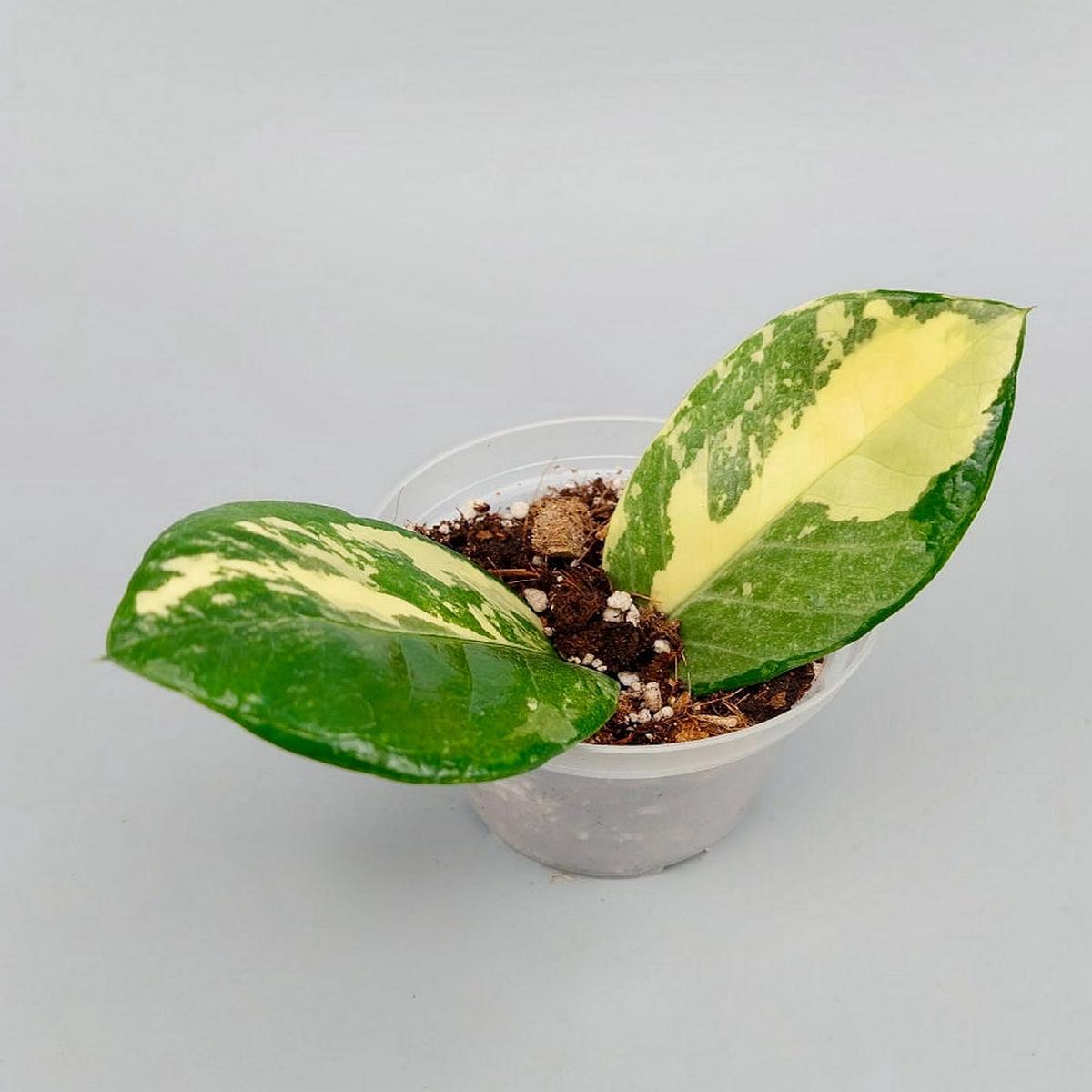
The Zamioculcas zamiifolia Variegated’ is a rare sight among houseplants. This variegated variety of the popular ZZ plant immediately attracts attention with its cream to soft yellow hues on its dark green leaves. A robust and low-maintenance plant that does well in a variety of interiors.
The Zamioculcas zamiifolia is native to East Africa, where it grows in rocky areas with alternating droughts. The variegated-variant is the result of a spontaneous mutation preserved in culture because of its unique leaf markings. This variant is a much sought after rarity.
What distinguishes this plant from the standard ZZ plant are the spectacular patterns on the leaves. No two leaves are the same: some leaves are semi-green, others show a marbling of light green and cream, and occasionally an almost completely white leaf even appears. This variation gives each plant a unique character.
The plant grows slightly slower than the “normal” version, partly because of the lack of chlorophyll in the lighter parts of the leaves. This makes it extra expensive, but also very suitable for people looking for a compact, low-maintenance plant with a striking appearance.
The variegated Zamioculcas needs more light than its all-green counterpart to maintain its variegation. Preferably put her in a spot with bright, indirect light. Avoid direct sunlight, especially in summer, to prevent leaf burn.
She thrives best at a constant room temperature between 17C and 28C. Cold drafts and temperatures below 15 C can potentially harm her.
Use a well-drained substrate based on coconut fiber, bark and coarse wood fiber. An airy mix prevents root rot, where Zamioculcas prone to in stagnant water.
This plant is not demanding when it comes to humidity. Average humidity in the house is sufficient. For leaf cuttings, a minimum humidity of 55% is recommended.
Feed it once a month during the growing season (spring and summer) with a diluted, balanced houseplant food. Do not use fertilizer during the dormant period in fall and winter.
Allow the potting soil to dry completely between waterings. This species does not like wet feet. In winter, water requirements may decrease significantly. Preferably use demineralized water or clean rainwater to prevent leaf discoloration.
The Zamioculcas may exhibit inconspicuous flowering under ideal conditions in the form of small flask-like inflorescences. At the variegated-variant this is rare and the plant is mainly appreciated for its foliage.