$26.00
$51.99
50% OFF! Hot items selling fast—Grab them before they're gone!
 Unconditional Satisfaction GuaranteeNo Shipping Fees Above 302 Months to Decide. Returns Simplified.
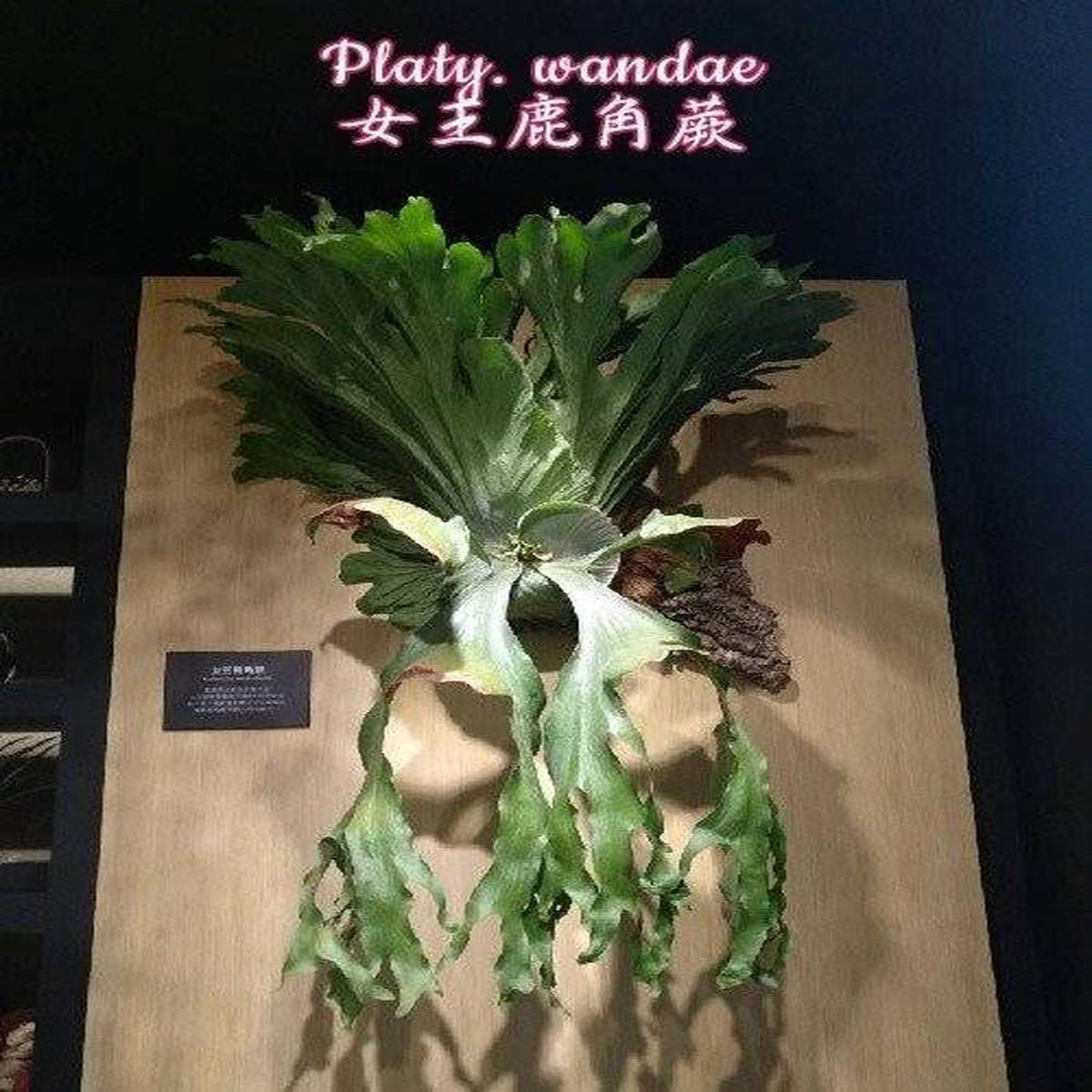
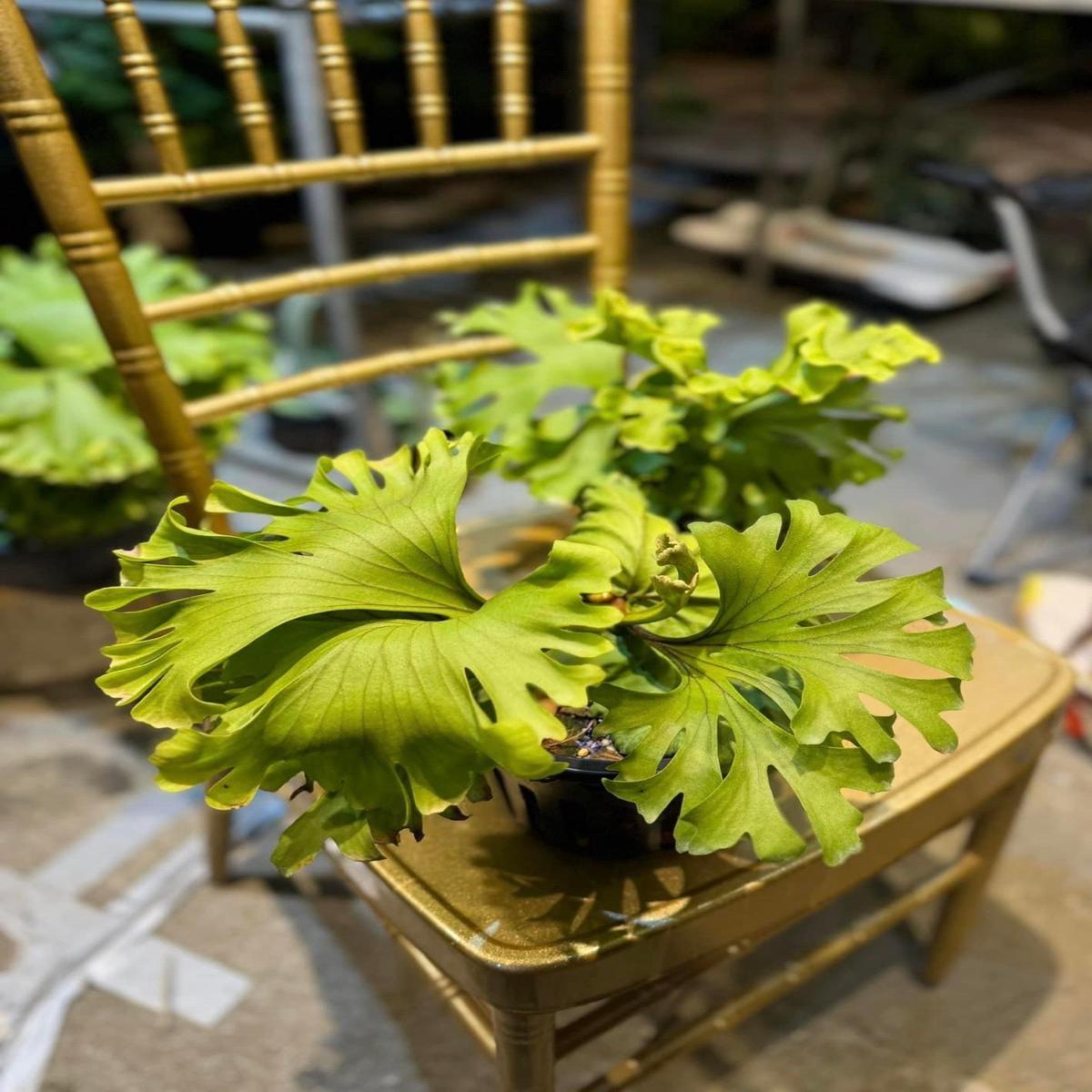
The Platycerium ridleyi var. ‘Round’ is a special appearance within the world of epiphytic ferns. This rare variety of the already impressive Platycerium ridleyi is known for its unique leaf structure and is collected by plant lovers worldwide for its exclusive appearance and exceptional growth form.
Like the common Platycerium ridleyi this variety is native to the tropical rain forests of Southeast Asia, especially Malaysia and parts of Indonesia. It grows there as an epiphyte – that is, on trees, without damaging them – in moist, warm conditions with high humidity and filtered light.
What these var. ‘Round’ differs from the ordinary ridleyi, is mainly in the shape of the fertile leaves (the branching ‘staghorn’ leaves). In the case of the normal ridleyi these leaves are often irregularly branched with pronounced, pointed ends. In contrast, the ‘Round’ has more rounded lobes, giving a softer, more symmetrical appearance – a detail considered exceptionally elegant by collectors.
Furthermore, like the common ridleyi retains the characteristic, bowl-shaped shield leaves (the sterile leaves at the base), which form a natural water and humus collection – an ingenious system that allows the plant to survive in the treetops.
The care of the Platycerium ridleyi var. ‘Round’ requires attention and experience.
Place the plant in a spot with bright, indirect light. Avoid direct sunlight to prevent leaf burn.
Allow the shield leaves to dry slightly between waterings, but avoid complete desiccation. Dip the root ball or mounting piece in lukewarm water and drain well.
A humidity of 60% or higher is ideal. Regular misting helps, especially with dry indoor air.
This fern thrives well on a wooden board or cork board, as in its natural habitat. Ensure adequate air circulation around the plant.
Due to its exclusive form and limited availability, the Platycerium ridleyi var. ‘Round’ is a true showpiece for any botanical collection. This plant is not only an ornament, but also a living example of how variation in nature leads to true art.