$147.00
$4.00
50% OFF! Hot items selling fast—Grab them before they're gone!
 Unconditional Satisfaction GuaranteeNo Shipping Fees Above 302 Months to Decide. Returns Simplified.
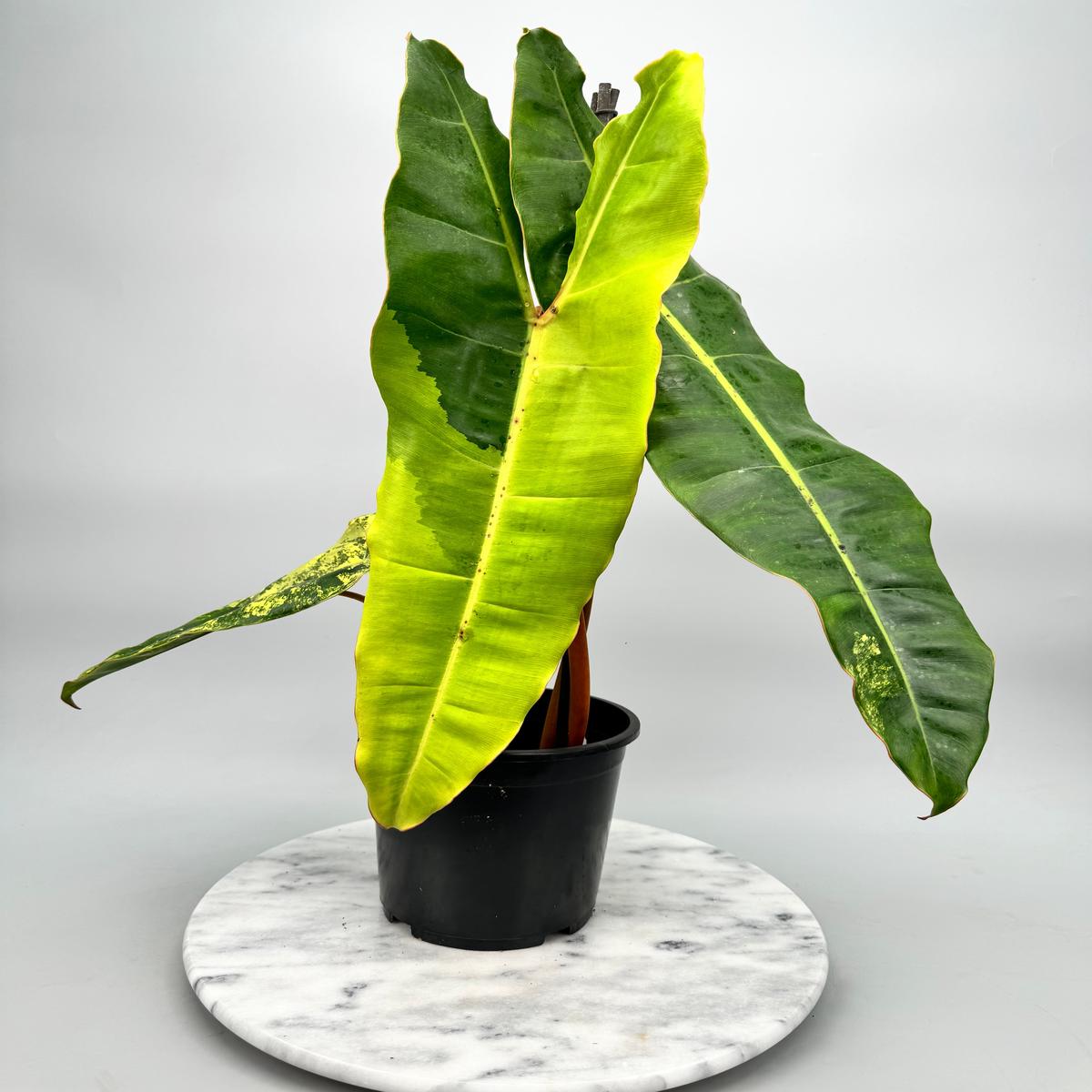
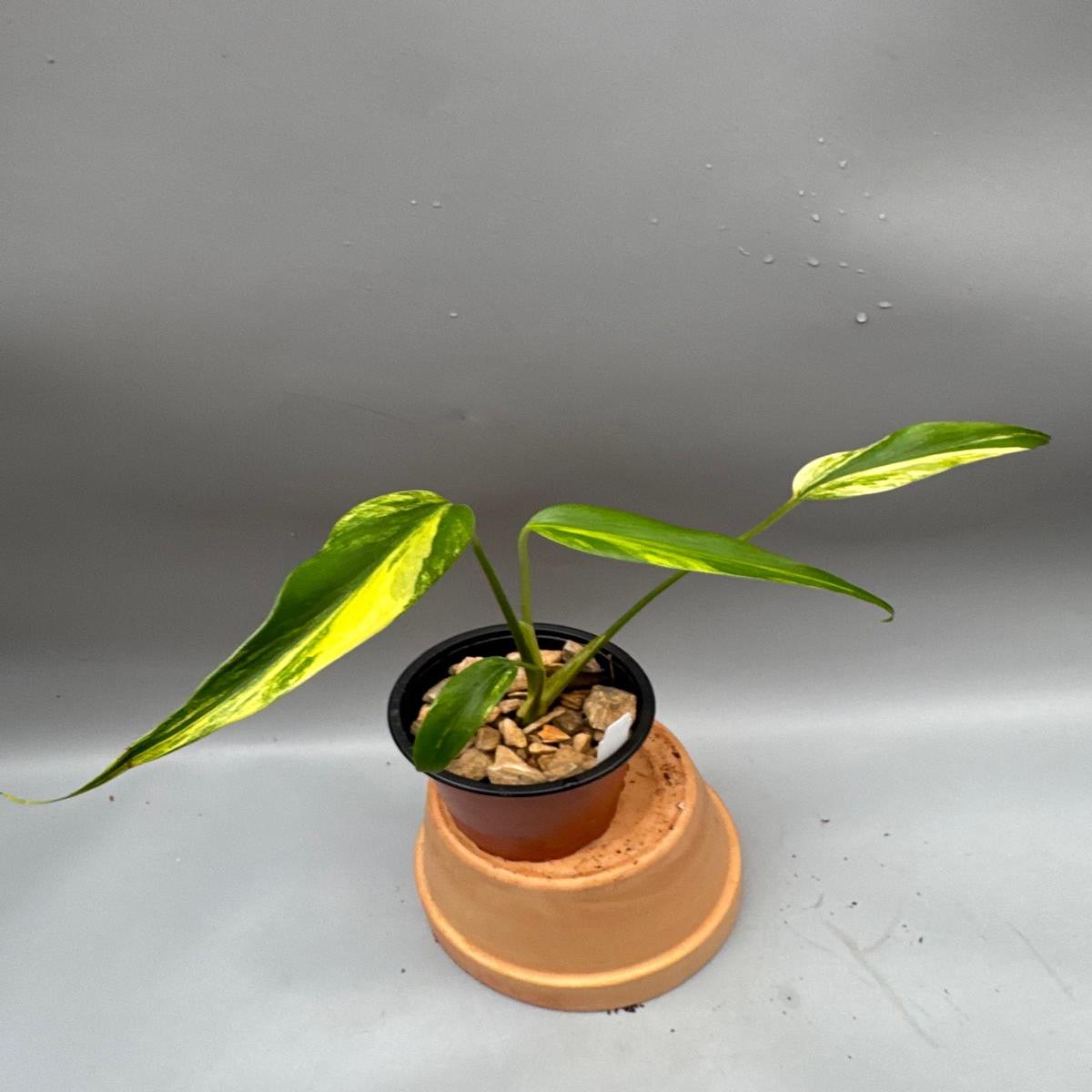
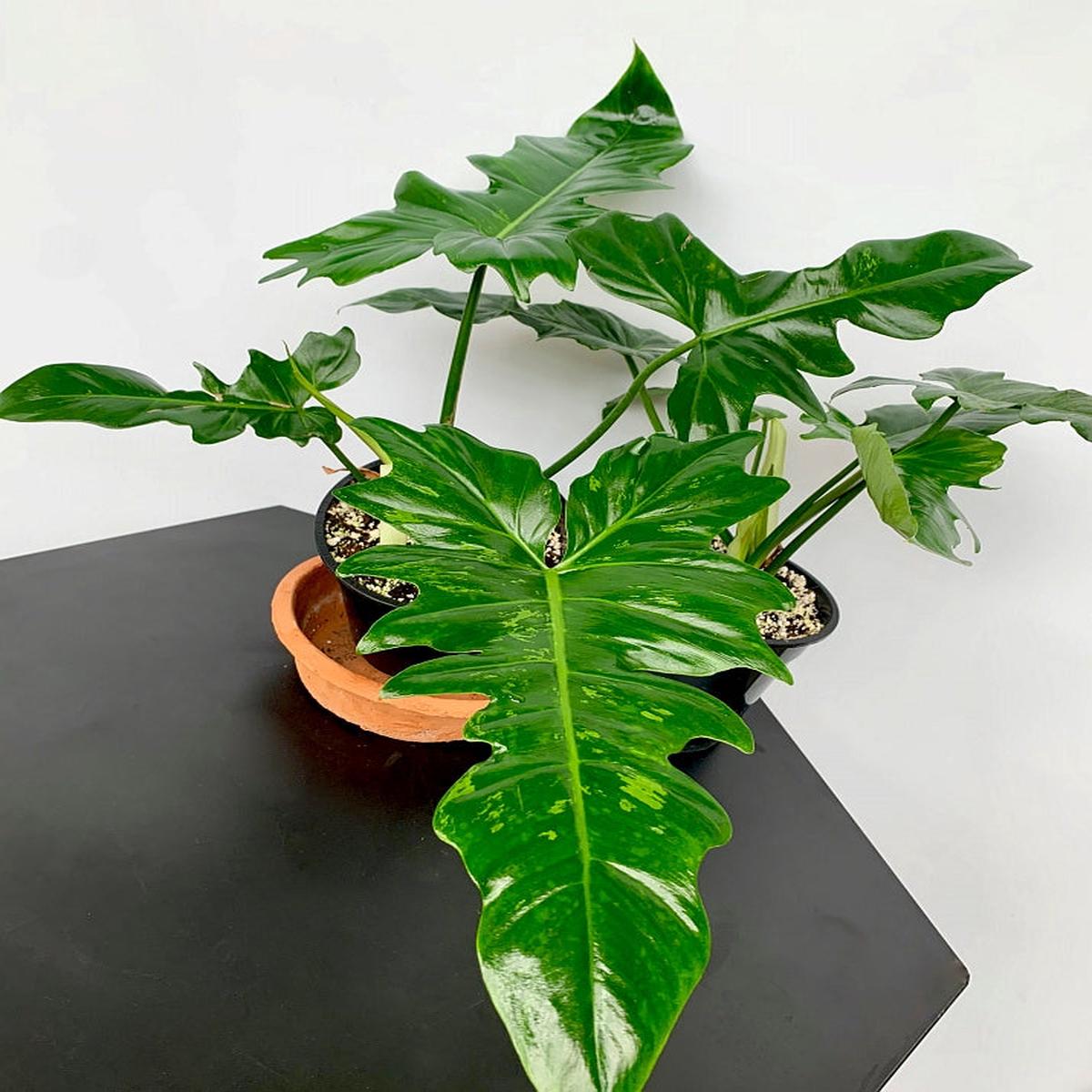
A subtle play of light and leaf – the Philodendron Camouflage is a rare sight among Philodendrons. This plant does not immediately attract attention with garish colors, but those who look closely will discover the refined beauty of its subtle variety.
The Philodendron Camouflage is a rare cultivar with probable roots in South America. As its name suggests, its leaf pattern resembles a kind of natural camouflage – mixture of greens with a hint of cream or pale yellow, depending on conditions. This plant is especially sought after in collecting circles for its delicate and unpredictable leaf pattern.
The heart-shaped leaves have a silky sheen and display a subtle but often enchanting variety reminiscent of watercolors on paper. The degree of variegation is variable and is strongly influenced by light intensity: in bright, indirect sunlight, lighter patterns may develop more strongly, while in shadow the leaves remain deep green. No two leaves are the same – each leaf seems like a new, living painting.
Place the plant in a spot with plenty of bright, indirect light. An east or west window is ideal. Direct sunlight can cause leaf damage, but too little light can reduce variety.
Between 18 and 28C, this feels Philodendron most comfortable. Avoid drafts and rapid drops in temperature.
Use an airy, well-draining substrate based on bark, peat and coir, for example. The roots like oxygen and should not be constantly wet.
A humidity of 60% or higher is ideal. In drier environments, a humidifier can help keep leaf tips nice.
Feed the plant once a month during the growing season (spring and summer) with a balanced, diluted houseplant food.
Water only when the top layer of the substrate has dried up. Preferably use demineralized water or clean rainwater to avoid mineral buildup.
This Philodendron is grown primarily for its foliage and rarely blooms in domestic conditions. Its flowers are inconspicuous and do not add to its ornamental value.