$147.00
$4.00
50% OFF! Hot items selling fast—Grab them before they're gone!
 Unconditional Satisfaction GuaranteeNo Shipping Fees Above 302 Months to Decide. Returns Simplified.
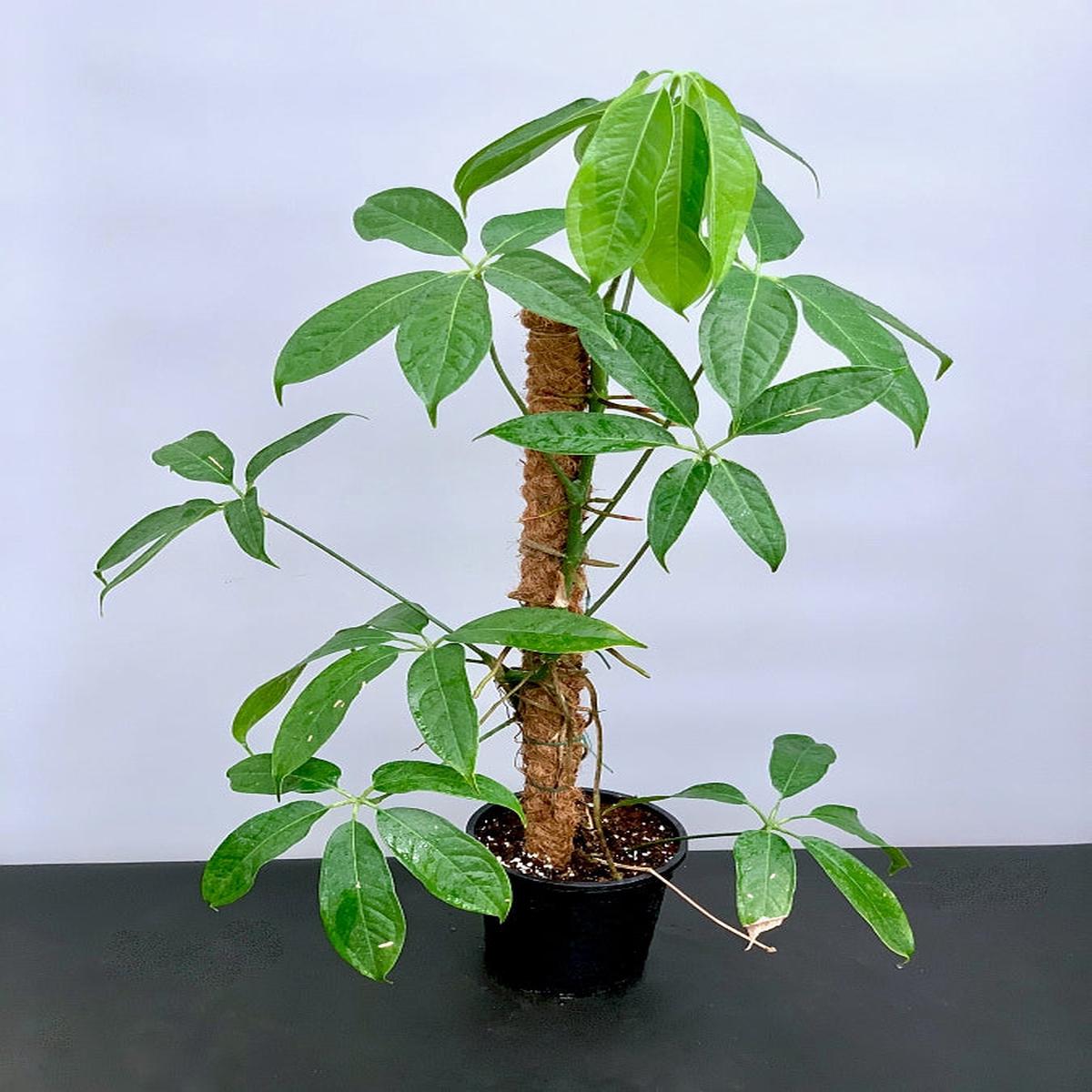
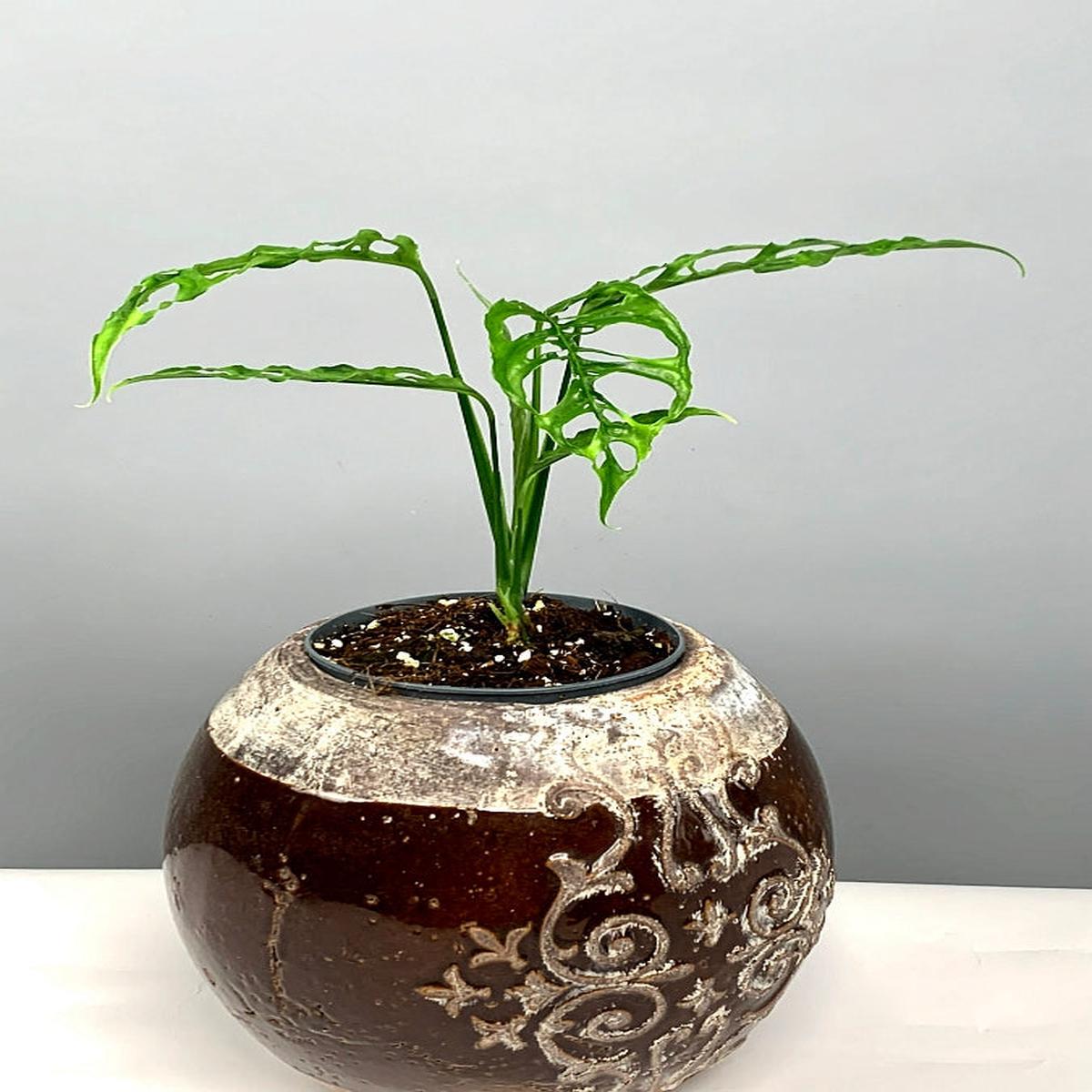
This is the larger version of the Monstera onbliqua Peru that we offer. For size, please refer to the specifications. These plants are shipped starting at 3 leaves.
A Monstera Obliqua is a rare houseplant, which is extremely rare especially in the wild. Consequently, this beautiful and extremely unusual plant had only been observed in the wild 17 times until 1977! Meanwhile, the counter stands at 710 sightings in the wild. In the wild this plant grows quite rapidly at about 2.5 leaves per month, but when kept indoors this is limited to about 1 leaf per month during the growing season.
The most unusual thing about this fascinating plant is that the leaves tend to be more hole than leaf! In fact, the holes can take up as much as 90% of the leaf surface, which does cause the leaves to be fragile.
The leaves of this Monstera Obliqua are beautiful, but have some requirements. The humidity must be continuously high, if the humidity is too low the leaves dry out quickly. With high humidity we are talking about a humidity of 85% and higher. In terms of temperatures, this plant prefers temperatures between 21C and 26C degrees. In addition, it is also wise to provide this plant with an additional (artificial) light source, allowing the plant to absorb as much light as possible to make as much energy as possible through photosynthesis. Nevertheless, care must be taken because such a fragile plant as this one can also suffer from excess light.
Another special thing about this special plant is that the Monstera Obliqua produces “stolons. These are leafless stems, also called offshoots, that grow horizontally across the ground until they find another tree/moss stick to climb against. In the wild, these can grow up to 20 meters long!
If not kept in the right conditions, they can quickly attract insects to themselves. The most common pests on this type of Monstera are mainly white fly, mealybugs, spider mites and aphids. If they are not treated quickly, they can harm the health of the plant. Fortunately, with the right approach, most pests can be remedied fairly quickly with household remedies. You can read more about this soon in our blog.