Vanilla Flower Seeds for Balcony and Home Gardens
Characteristics and Uses of Vanilla Flower Plants
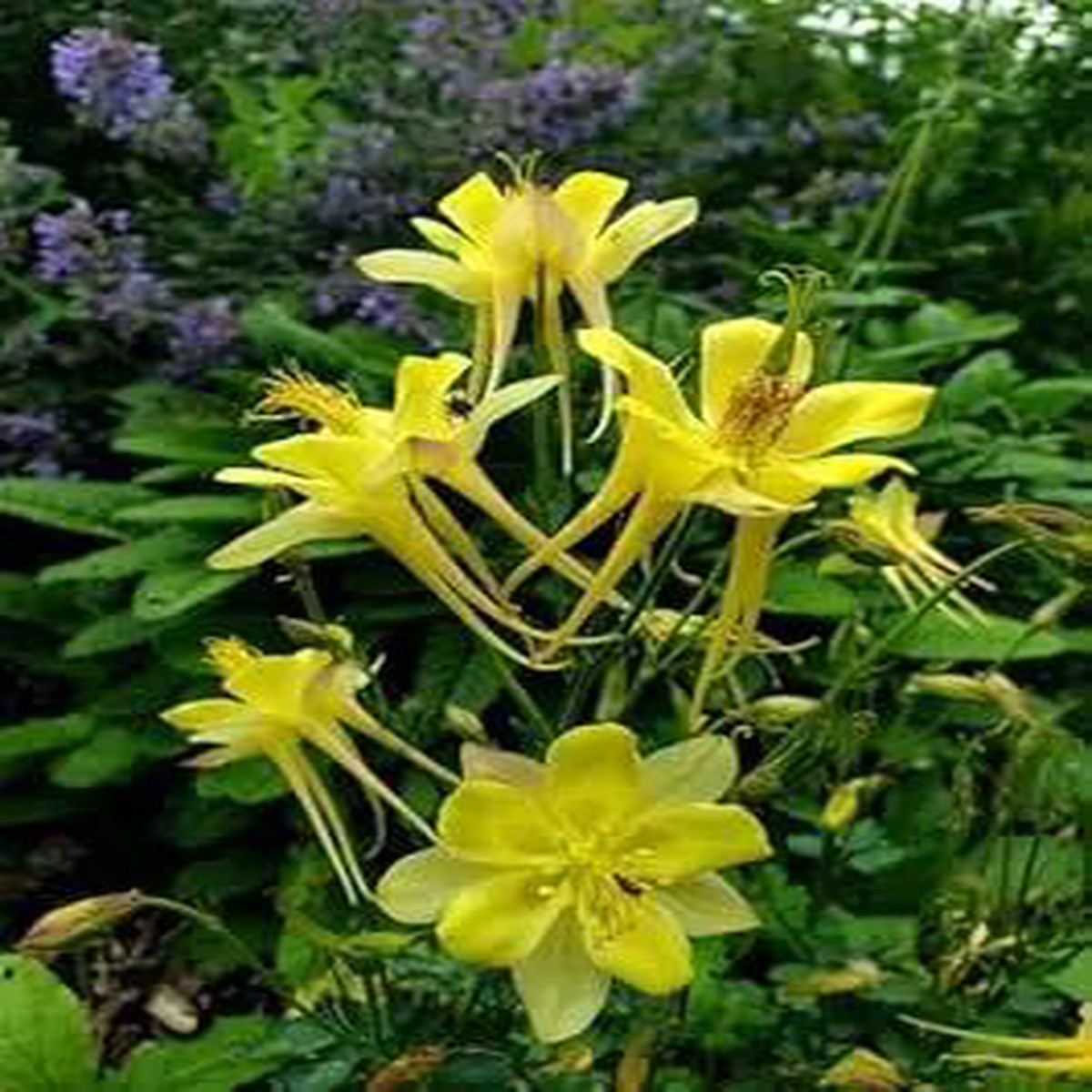
Vanilla flowers (Vanilla planifolia) are tropical plants renowned for their delicate beauty and unique scent. As part of the orchid family, these plants produce stunning, fragrant flowers that attract pollinators like bees and hummingbirds. While the plant is primarily known for its aromatic vanilla beans, the flowers themselves are an elegant addition to any home or balcony garden. These non-GMO plants grow best in warm, humid climates but can thrive in pots or containers, making them perfect for small garden spaces. Vanilla flowers can be used in natural perfumes, potpourri, and even in culinary applications, offering versatility to gardeners of all levels.
Growing Conditions for Vanilla Flower Plants
- Light Requirements: Vanilla flowers thrive in bright, indirect sunlight. Too much direct sunlight can cause the plant to scorch, while too little light will hinder flower production. Aim for 4-6 hours of indirect sunlight per day.
- Soil Type: Vanilla orchids prefer well-draining, slightly acidic soil. A mix of bark, perlite, and coarse sand works well to maintain good drainage and root health.
- Temperature: These tropical plants grow best in warm temperatures between 75-85F (24-29C) during the day and around 60-70F (15-21C) at night. They are sensitive to cold temperatures and should be protected from frost.
- Humidity: Vanilla flowers require high humidity (60% or more) to thrive. If growing indoors or in dry climates, consider using a humidity tray or room humidifier to maintain the moisture levels.
Planting Tips for Vanilla Flower Plants
- Planting Depth: When planting vanilla flower seeds, lightly press them into the soil, ensuring they are covered with a thin layer of soil. This ensures the seeds have good contact with the soil for germination.
- Spacing: Vanilla plants can be trained to climb on a support, so it is essential to provide vertical space for the vines to grow. Space the plants 12-18 inches apart if planting multiple vanilla plants in the same area.
- Planting Time: Start seeds indoors during the spring or summer for the best growth conditions. If starting outdoors, ensure temperatures are consistently warm to avoid frost damage to young plants.
Watering Instructions and Tips
Vanilla flowers need consistent moisture to thrive, but they do not tolerate waterlogging. Water the plants regularly, ensuring the soil stays moist but not soggy. The ideal watering schedule is to water when the top inch of soil feels dry. Always use room-temperature water to avoid shocking the roots. If growing in containers, ensure proper drainage to prevent water from accumulating in the pot. In very dry conditions, mist the leaves to help maintain humidity around the plant.
Growing Zones
Vanilla flowers grow best in USDA hardiness zones 10-12, as they require warm, tropical conditions to flourish. In cooler zones, grow them indoors in containers where you can control the temperature and humidity. These plants are adaptable to both indoor and outdoor environments if given the right conditions.
Key Benefits & Uses
- Aromatic Beauty: Vanilla flowers are not only visually stunning but also release a natural, sweet fragrance that enhances any garden or indoor space.
- Culinary Use: While the plant itself requires time to produce vanilla beans, the beans can be harvested and used for making vanilla extract and other culinary creations.
- Air Purification: Vanilla plants help improve indoor air quality by absorbing toxins and releasing oxygen, making them ideal for indoor gardens.
- Pollinator Friendly: The sweet scent and beautiful flowers attract bees and hummingbirds, making them an excellent addition to a pollinator-friendly garden.
Best Uses in the Garden & Landscape
- Balcony and Patio Gardens: Vanilla flowers are ideal for container gardening and can be placed on balconies or patios, where their vines can climb up trellises or supports.
- Indoor Gardens: These tropical plants thrive indoors with the right temperature and humidity. Place them near a window with indirect sunlight to create a fragrant indoor oasis.
- Tropical Gardens: If you live in a warm climate, vanilla flowers make a beautiful addition to tropical or exotic garden designs, providing both visual and aromatic appeal.
- Specialty Herb Gardens: Vanilla flowers are a unique addition to herb gardens, especially for those looking to grow their own ingredients for culinary or perfumery uses.
Conclusion
Vanilla flowers are a delightful and fragrant addition to any garden, whether its a home balcony, patio, or indoor space. Their ability to thrive in containers makes them accessible to gardeners with limited space, and their beautiful, aromatic flowers provide both beauty and functionality. Dhara Seeds, a big, trusted name in the seed world, offers a wide range of high-quality, non-GMO varieties to gardeners everywhere, ensuring that your vanilla flower planting experience is as successful as it is rewarding.
FAQ
How long does it take for Vanilla Flower seeds to germinate?
Vanilla flower seeds typically take 2-3 weeks to germinate, depending on the conditions. Ensure the soil remains consistently warm and moist to promote successful germination.
Can Vanilla Flowers be grown indoors?
Yes, vanilla flowers can be grown indoors with the right conditions. They require bright, indirect sunlight, high humidity, and warm temperatures. A grow light can be used if natural sunlight is insufficient.
How often should I water Vanilla Flowers?
Water vanilla flowers regularly to keep the soil moist but not waterlogged. It’s best to water them when the top inch of soil feels dry. If grown in containers, ensure the pot has proper drainage to avoid excess moisture around the roots.